Users experience dilated pupils, restlessness, and elevated blood pressure, significantly strain the heart and circulatory system. The intensity and duration of these effects depend on the method of use and the individual’s tolerance to the drug. Contact us today to schedule an initial assessment or to learn more about our services. Whether you are seeking intensive outpatient care or simply need guidance on your mental health journey, we are here to help.
Types of Cocaine Addiction Treatment
- When a thirsty person drinks or someone has an orgasm, for example, dopaminergic cells flood the NAc with dopamine molecules.
- These programs often include follow up group meetings, mentorship opportunities, and social events.
- The pleasure centers of the brain become overstimulated, triggering erratic emotional responses.
- Although personal events and cultural factors affect drug use trends, when young people view drug use as harmful, they tend to decrease their drug taking.
- However, methamphetamine is considered more dangerous than cocaine due to its longer-lasting effects on the brain and its more severe neurological damage.
It is important to recognize that recovery from cocaine addiction is an ongoing process, and relapse can be a part of this journey, necessitating adjustments in treatment plans. Cocaine and other substance abuse disorders are complex, involving biological systems as well as myriad social, familial, and environmental factors. Therefore, treatment of cocaine and stimulant abuse can be complex. As with any disorder, treatment strategies need to assess the biological, social, emotional, and pharmacological aspects of the individual’s drug abuse.
Empowering Your Mental Health Journey
Drug testing is particularly effective, with urine tests able to detect cocaine use within 1–4 days of consumption and hair tests capable of showing usage patterns over months. Combining these with psychological and behavioral assessments allows for a comprehensive understanding of addiction, ensuring Halfway house accurate diagnosis and tailored treatment approaches. All information provided in featured rehab listings is verified by the facility officials. The details are kept up to date to help people with addiction treatment needs get the most full and precise facts about the rehabilitation facility. Harm reduction is all about making drug use safer, even if you’re not ready to quit yet.
Short-Term Physical and Mental Effects
This detachment from relationships and societal responsibilities further perpetuates the addiction cycle. One of the key changes that occur in the brain as a result of cocaine addiction is the downregulation of dopamine receptors. With repeated cocaine use, the brain adapts to the constant influx of dopamine by reducing the number of dopamine receptors available. This means that over time, individuals need larger doses of cocaine to achieve the same level of pleasure they initially experienced. In addition to the immediate rush of pleasure, cocaine also leads to long-term changes in the brain.
Physical Symptoms
One of the genes stimulated by ΔFosB is an enzyme, cyclin-dependent kinase-5 (CDK5), which promotes nerve cell growth. This finding has shed new light on mechanisms underlying cocaine’s very long-lasting effects on the brain (Nestler, 2001). However, instead of leaving the cell that produces it and stimulating neighboring cells as dopamine does, ΔFosB remains in its original cell and stimulates certain genes. Chemicals that act this way are called genetic transcription factors. While cocaine affects several transcription factors, its effects on ΔFosB are the most long-lasting.
Normal amounts of dopamine can make us feel happy, alert and focused. Large amounts may make us feel powerful, euphoric and filled with energy. But that cocaine-driven dopamine release or rush fades quickly, leaving them wanting more of those feelings — and the drug. As people keep on using cocaine, their brains get used to the huge overstimulation and they need stronger, more frequent doses. When people take cocaine, their blood pressure goes up and their heart races. They may lose their inhibitions about doing things like spending lots of money on stuff they don’t really need.
Products & Services
The National Survey on Drug Use and Health (NSDUH) revealed that approximately 4.3 million Americans aged 12 and older used cocaine in the past year, making up about 1.5% of the population. The Centers for Disease Control and Prevention (CDC) reports a 12% increase in overdose deaths from 2021 to 2022, reaching 8.2 per 100,000 people. NSDUH estimates that 4.3 million Americans, or 1.5% of the population, used cocaine in 2022. This includes the 0.3% of Americans who used crack cocaine that year. Overall, around 1,800 Americans per day tried cocaine for the first time in 2019.
It causes a naturally occurring neurotransmitter called dopamine to increase its concentration in the brain. Cocaine causes your dopamine levels to rise causing the user to feel euphoric. Jenn is a Canadian writer and poet with a background in psychology, sociology, and natural health. She is the founder of The Master in You, a mental wellness site that provides information about the role that thoughts and emotions play in our physical and emotional health.
The severity depends on the amount of cocaine addiction treatment cocaine previously used and the duration of use. Individuals addicted to cocaine may begin avoiding friends and family. They may also abandon recreational activities, hobbies, and responsibilities.

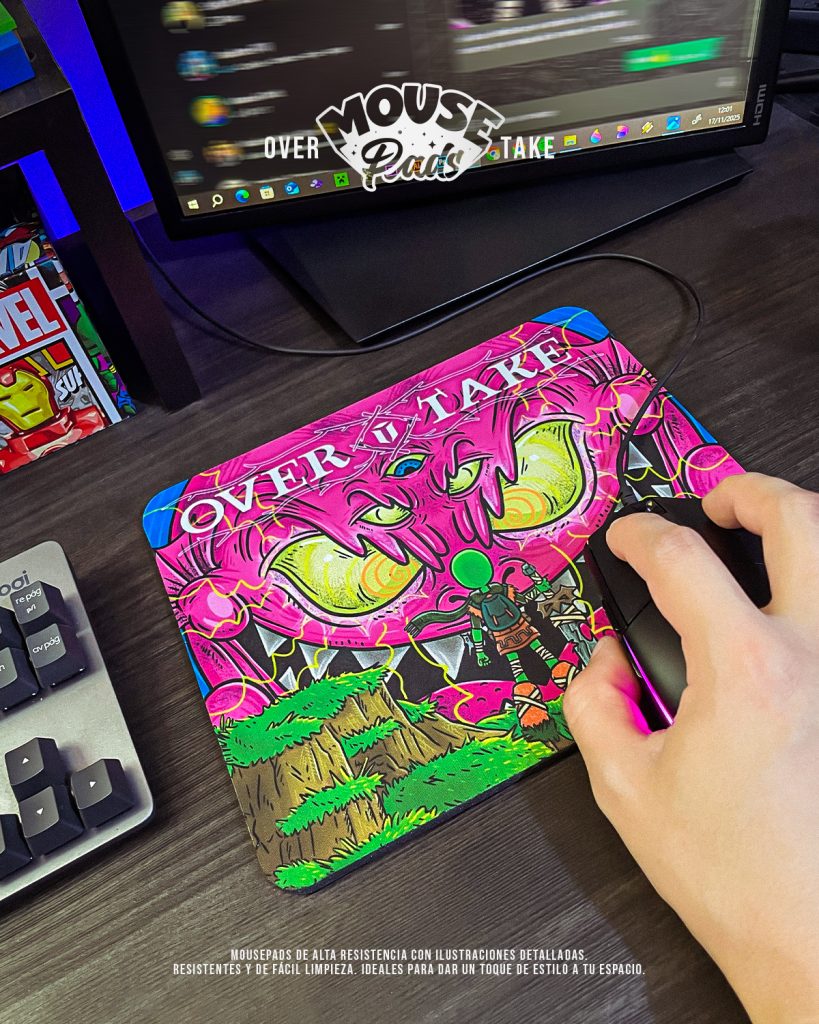


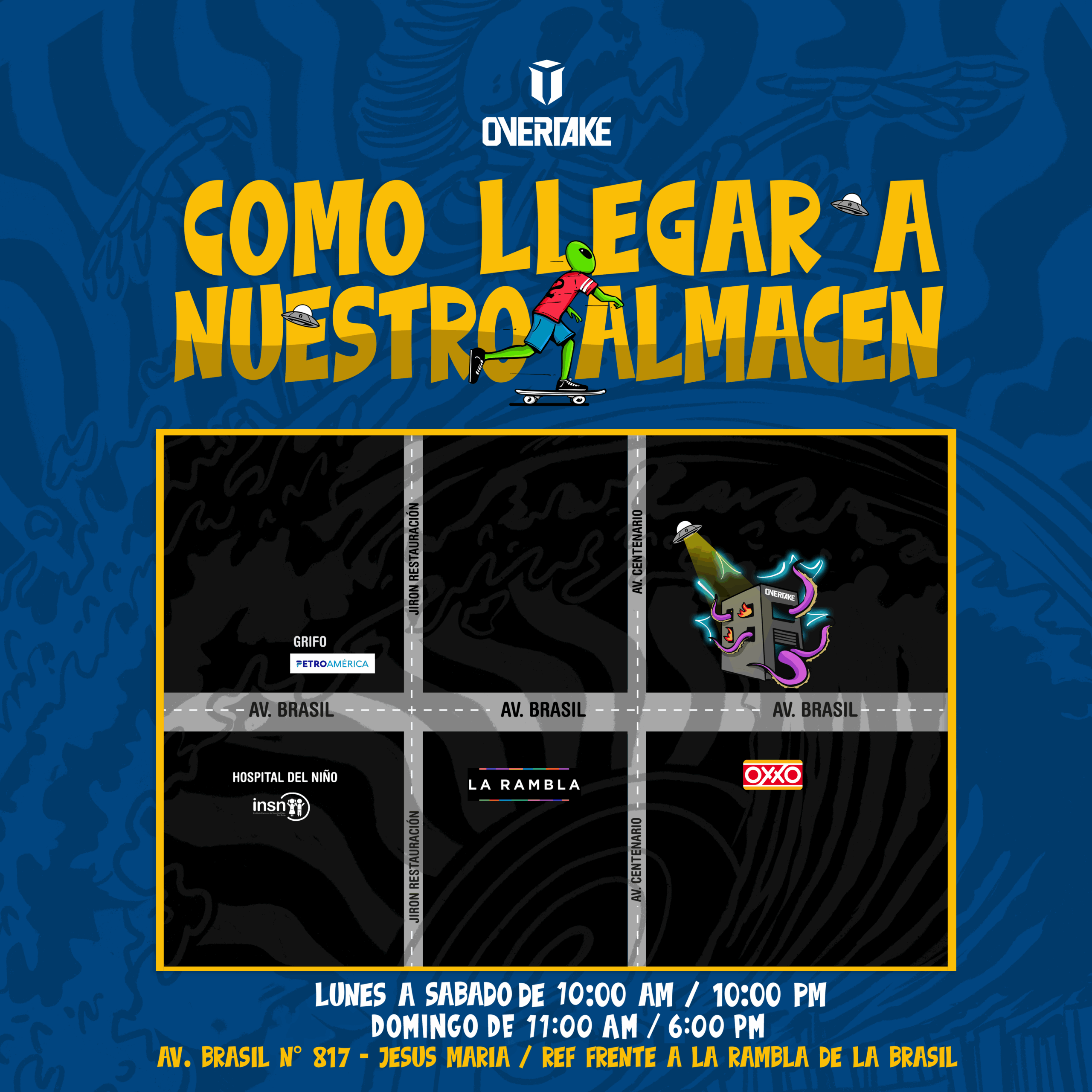
 Av. Brasil 817, Jesús María.
 Horario de atención: De Lunes a Sábados de 10 am a 10 pm y Domingos de 11 am a 6pm